Glitter Galore Papers Vol. 4: Textured Elegance for Creative Projects
Understanding the Visual Character of This Collection
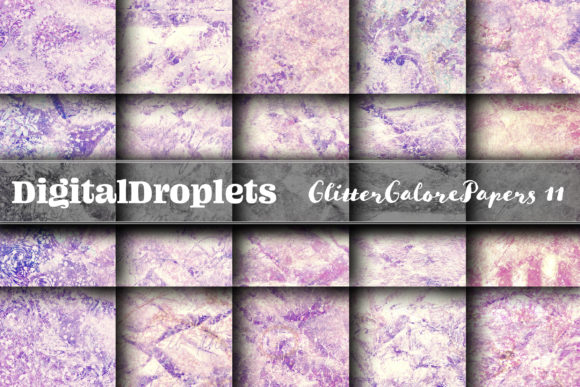
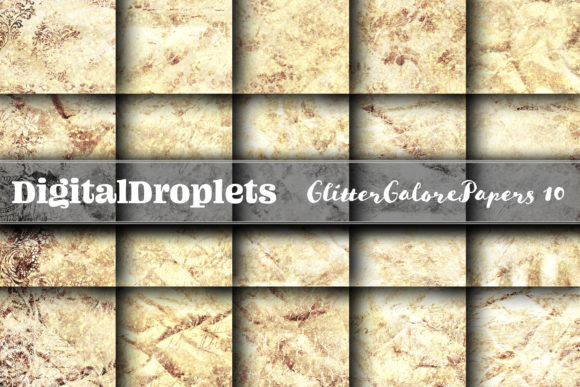
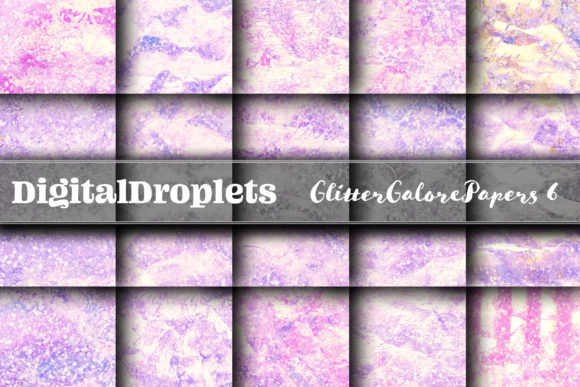
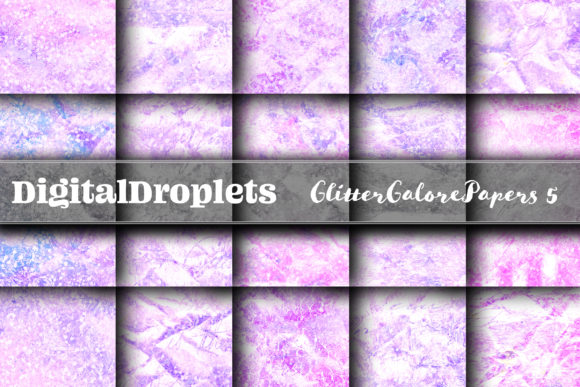
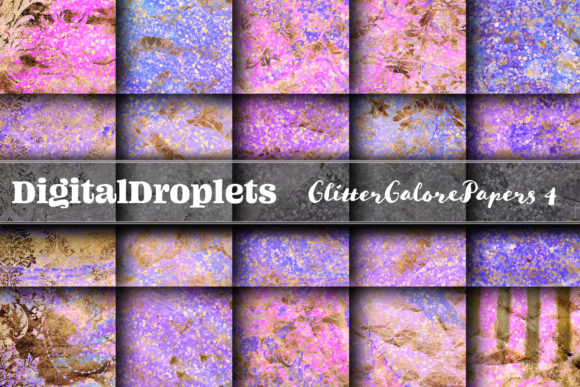
The Glitter Galore Papers Vol. 4 collection brings together a specific aesthetic that sits comfortably between vintage charm and tactile richness. Each of the ten papers in this set features a crinkle textured base, which gives the surface a sense of physical depth and dimension. Layered over this foundation are subtle lace and damask patterns, along with cardboard textures that add another layer of visual interest. The finishing touch comes from glitter textures that catch light and create a sparkling effect without overwhelming the underlying design elements.
What makes this particular set stand out is the restraint shown in its design. The lace and damask overlays remain subtle rather than dominant, allowing the textures to complement rather than compete with whatever content you place on top. Each paper in the collection presents a different pattern and background combination, giving you variety within a cohesive visual theme. The overall personality of the collection leans toward the ornate and decorative, but with enough subtlety that it doesn't demand all the attention in a finished piece.
Where These Papers Work Best in Real Projects
The medieval and vintage scrapbook themes mentioned in the collection description are natural fits, but the applications extend well beyond those categories. Junk journal creators will find these textures particularly useful because the crinkle and cardboard elements align with the handmade, layered aesthetic that defines the medium. The glitter overlay adds a touch of refinement that can elevate a junk journal from purely rustic to something with a bit more polish.
For digital designers working on blog layouts, website backgrounds, or social media graphics, these papers offer a way to introduce texture and visual warmth without relying on flat, solid colors. A 12×12 inch format at 300 dpi gives you enough resolution for both digital and print applications, which matters when you're producing materials that need to look sharp on screens and in physical form.
Small business owners creating packaging, tags, or envelope liners for product shipments can use these backgrounds to reinforce a brand identity that values craftsmanship and attention to detail. The subtle damask and lace patterns communicate a sense of tradition and care, which works well for artisan products, handmade goods, or boutique services. Similarly, invitation designers working on events with vintage, romantic, or classic themes will find the collection provides a ready-made foundation that saves time while still looking intentional.
Card makers represent another audience that benefits directly from this kind of design asset. Whether you're producing birthday cards, thank-you notes, or general greeting cards, having a textured background with built-in visual interest means you can add minimal additional elements and still create a polished result. The papers also function well as washi tape strips, planner stickers, or decorative shapes when cropped and resized appropriately.
Practical Considerations for Working with Textured Backgrounds
When incorporating papers like those in the Glitter Galore Papers Vol. 4 set into your projects, readability becomes a key consideration. Text placed directly over heavily textured backgrounds can become difficult to read, particularly at smaller sizes. A practical approach involves using these papers behind frames, photo mats, or solid-color overlays where the texture peeks around the edges rather than sitting directly under body copy.
Font pairing decisions also matter when working with ornate backgrounds. Clean sans serif typefaces tend to contrast well against detailed textures, providing a visual anchor that keeps layouts grounded. If your project calls for a more decorative approach, a simple script font used sparingly for headlines or accents can complement the lace and damask elements without creating visual clutter. The goal is balance. Let the background texture contribute atmosphere while typography and other design elements carry the information.
Color coordination deserves attention as well. The collection's palette likely works within certain tonal ranges, so choosing accent colors, text colors, and supplementary design elements that harmonize with the papers' undertones will produce more cohesive results. Testing a few combinations before committing to a final layout saves revision time and ensures the glitter and texture elements enhance rather than clash with your content.
Evaluating Fit for Your Specific Needs
Before integrating the Glitter Galore Papers Vol. 4 collection into a project, consider whether the ornate, textured aesthetic aligns with the message and audience you're trying to reach. For a minimalist tech startup's marketing materials, these papers probably miss the mark. For a vintage-inspired bakery's packaging, a handmade jewelry brand's tags, or a romance author's book promotion materials, the fit feels much more natural.
The commercial licensing terms matter for anyone using these papers in client work or products for sale. Verify that the license covers your intended use before starting a project, particularly if you plan to incorporate the backgrounds into physical products, digital templates, or items you'll distribute widely. Understanding these details upfront prevents complications later.
Testing the papers in context before finalizing a design is always worthwhile. Place your actual content, images, and typography over the backgrounds and evaluate how everything reads together. Sometimes a paper that looks beautiful in isolation doesn't support the specific content you need to present. The variety within the set, ten different patterns and backgrounds, gives you options to experiment with until you find the right match.
For crafters and hobbyists, this collection offers a straightforward way to add professional-looking texture to personal projects without investing hours in creating custom backgrounds from scratch. For designers and marketers, it functions as a time-saving design asset that provides a consistent visual foundation across multiple pieces. Either way, the value lies in the combination of quality, variety, and the specific aesthetic direction the collection pursues.
Integrating Texture into a Broader Design System
If you're building out a brand identity or a larger design project, think about how papers from the Glitter Galore Papers Vol. 4 collection fit within your overall visual system. A single textured background used consistently across business cards, social media posts, and packaging creates recognition. Using multiple papers from the same collection across different touchpoints maintains cohesion while introducing enough variation to keep things visually engaging.
The key is treating these papers as one component within a larger toolkit. Combine them with complementary typography choices, a defined color palette, and consistent layout structures. When textured backgrounds work in harmony with these other design decisions, the result feels deliberate and professional rather than decorative for its own sake. That intentionality is what separates polished design from simply placing attractive elements on a page.